October 17, 2026
The design of modern workplaces and commercial environments continues to evolve as businesses reconsider how their spaces support employees, customers, and daily operations. From collaborative offices to welcoming hospitality settings, furniture plays an important role in creating environments that balance functionality, comfort, and visual appeal. As expectations change, organizations are investing in furnishings that offer greater flexibility, durability, and long-term value.
Today’s commercial furniture trends reflect a growing emphasis on adaptability, employee well-being, environmental responsibility, and thoughtful design. Businesses increasingly recognize that their physical environments influence productivity, customer experiences, and overall brand identity. Understanding the latest design influences can help organizations make informed furnishing decisions that support their operational goals while creating attractive, practical spaces.
Embracing Flexible and Adaptable Workspaces
Flexibility has become an essential consideration in modern commercial interiors. Businesses need environments that accommodate changing team sizes, different working styles, and evolving operational requirements. Rather than relying exclusively on permanent furniture arrangements, organizations are exploring adaptable solutions that support multiple activities within shared spaces.
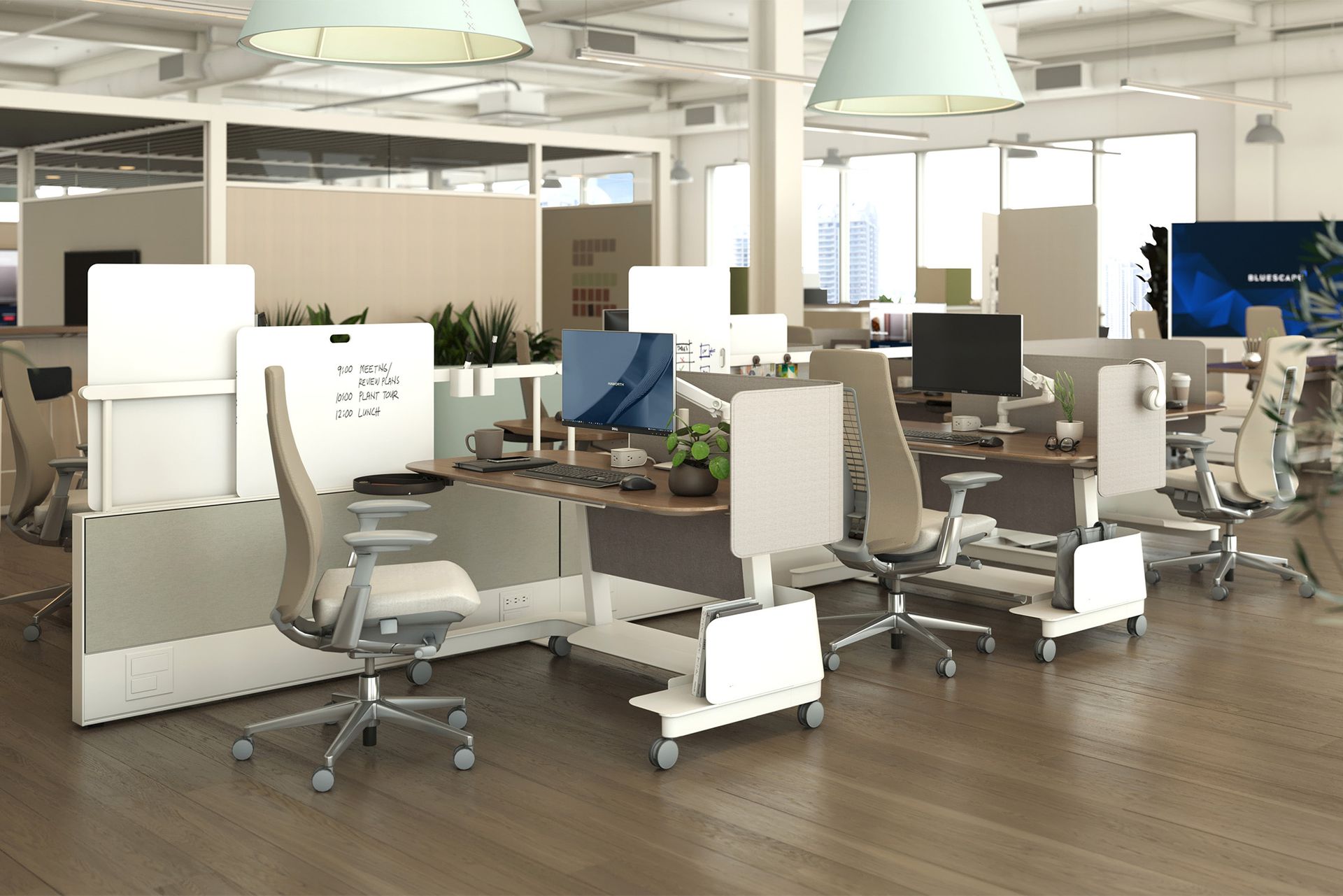
Modular seating, movable tables, and reconfigurable workstations allow businesses to adjust their layouts without extensive renovations. These options are particularly valuable in offices where employees alternate between independent assignments, collaborative projects, and group discussions. Flexible arrangements also support organizations that frequently host meetings, training sessions, or customer events.
The demand for adaptable commercial furniture reflects a broader shift toward making better use of available space. By selecting furnishings that serve multiple purposes, businesses can maintain organized environments while responding efficiently to changing needs. This approach helps companies extend the usefulness of their investments without compromising comfort or professional appearance.
Prioritizing Comfort and Employee Well-Being
Employee comfort has become a significant influence on workplace design. Organizations increasingly understand that uncomfortable seating, poorly positioned work surfaces, and inadequate support can negatively affect workplace satisfaction. As a result, ergonomic considerations are receiving greater attention during furniture selection.
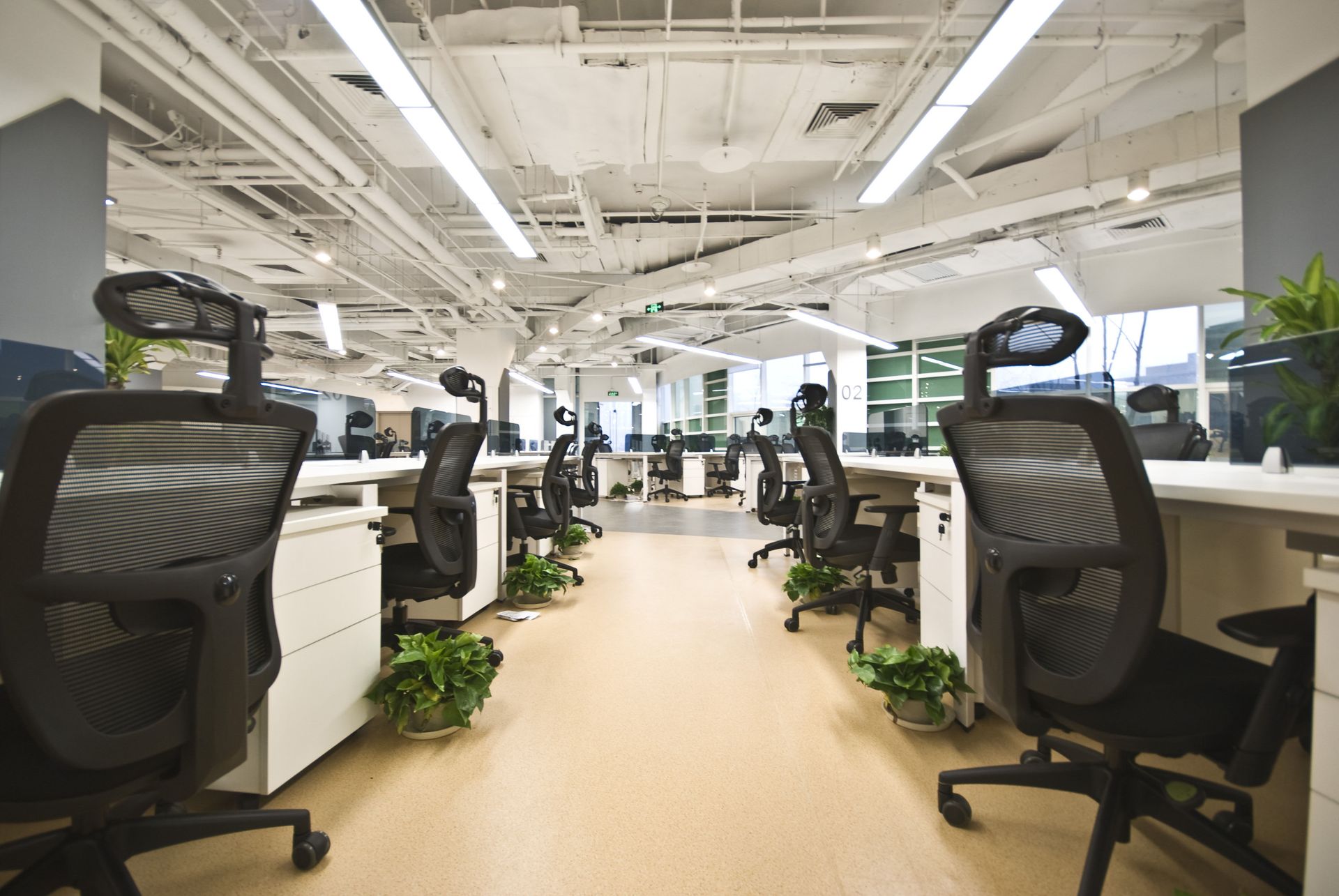
Adjustable chairs, supportive seating, and appropriately designed desks help accommodate employees with different physical needs and working preferences. Furnishings that encourage comfortable posture can contribute to a more supportive daily work environment. Comfortable breakroom seating and thoughtfully arranged lounge areas also provide employees with opportunities to relax and interact.
Beyond individual workstations, commercial furniture designed with well-being in mind can improve the overall workplace experience. Softer materials, inviting textures, and comfortable communal seating create environments that feel less rigid and more welcoming. These elements are especially valuable for businesses seeking to promote employee satisfaction while maintaining professional standards.
Incorporating Sustainable and Responsible Materials
Environmental responsibility continues to influence purchasing decisions across commercial industries. Businesses are increasingly considering the materials, manufacturing processes, and expected lifespan of the furnishings they purchase. Sustainability involves more than selecting environmentally friendly products; it also includes choosing durable pieces that remain functional and attractive over time.
Recycled materials, responsibly sourced wood, and durable metal components are becoming important considerations in furniture design. Manufacturers are also exploring upholstery fabrics and finishes that reduce environmental impact without sacrificing performance. For businesses, these options provide opportunities to align purchasing decisions with broader sustainability initiatives.
Economic history also highlights the importance of thoughtful furniture investments. According to Market.us News, annual percentage changes in sales among American office furniture manufacturers fluctuated considerably between 1992 and 2012, including a 29.7% decline during the economic downturn of 2009.
These fluctuations reinforce the value of selecting commercial furniture that offers lasting performance. Durable construction, timeless designs, and replaceable components can help organizations reduce unnecessary replacement costs while supporting more responsible purchasing practices.
Integrating Technology Into Functional Designs
Technology has transformed how businesses operate, making technology-friendly furniture increasingly important. Modern workplaces rely on computers, mobile devices, video conferencing equipment, and other digital tools that require accessible power sources and organized work surfaces.
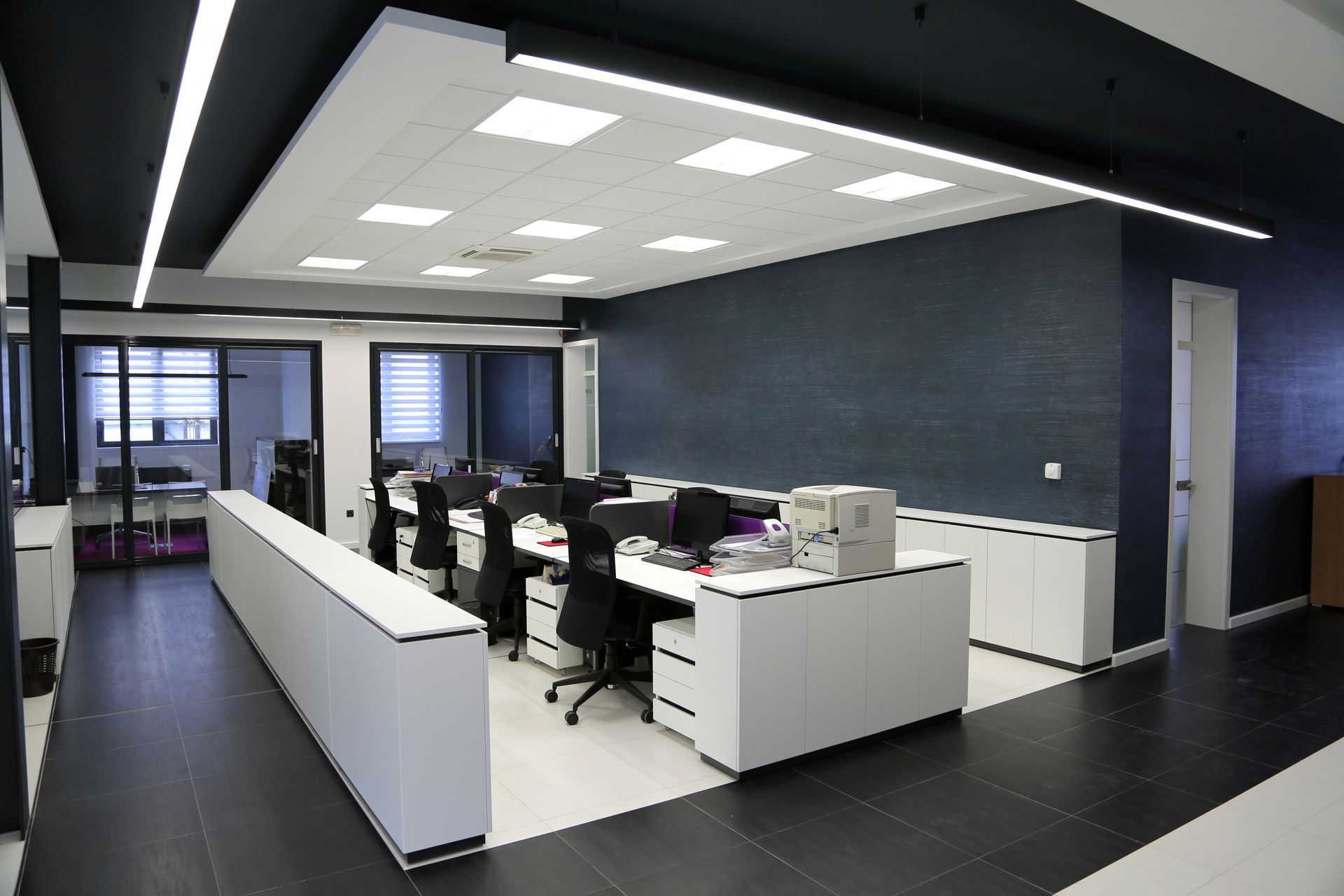
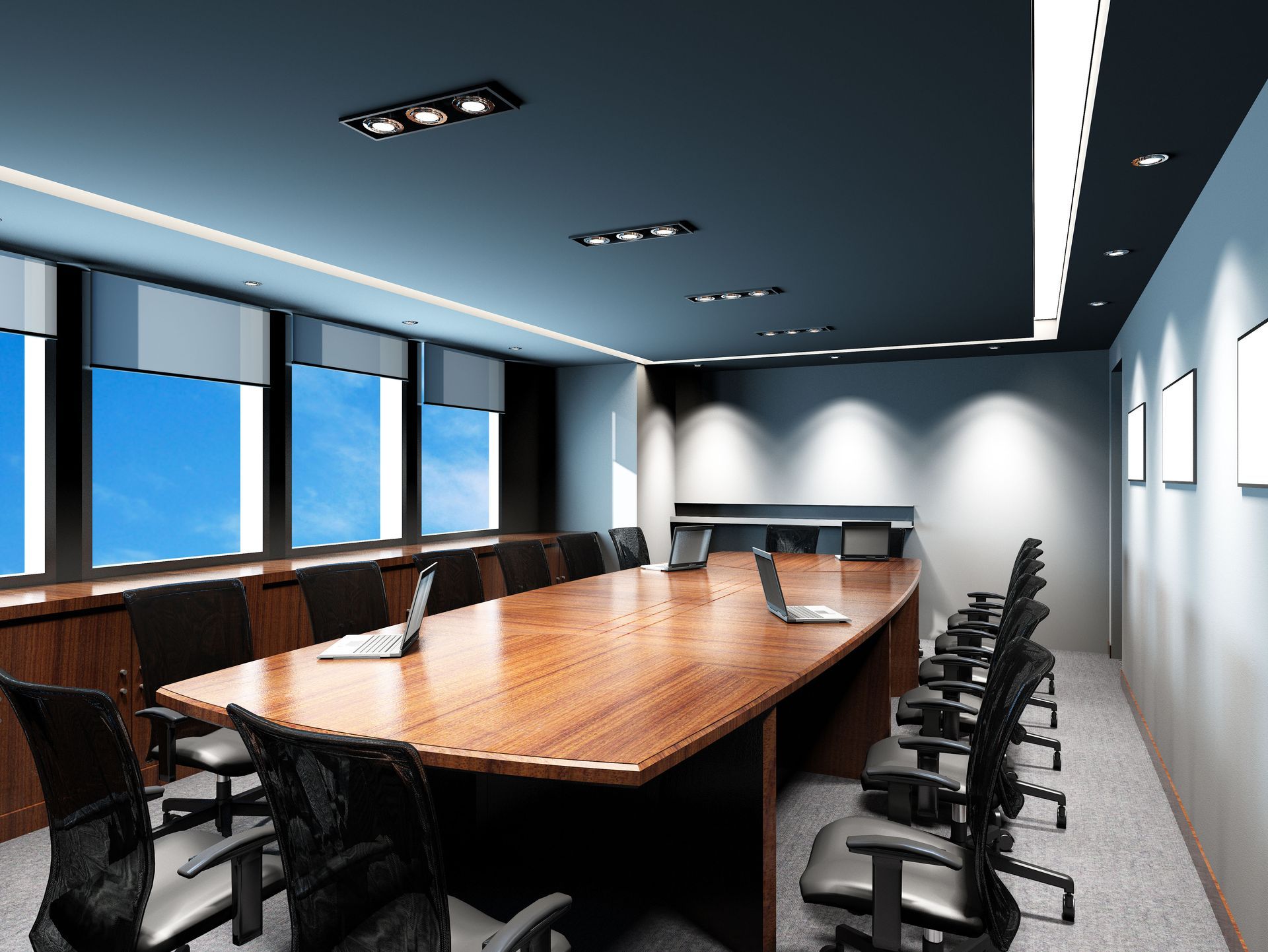
Many contemporary desks and conference tables incorporate cable management systems, integrated charging options, and discreet storage areas for electronic equipment. These features help maintain organized environments while allowing employees to access essential technology conveniently. In meeting rooms, furniture arrangements increasingly accommodate virtual collaboration and multimedia presentations.
Technology integration also influences the appearance of commercial furniture. Designers are incorporating functional features into streamlined pieces that maintain a clean, professional aesthetic. Rather than allowing cables and equipment to dominate a room, thoughtfully designed furnishings help technology blend naturally into the surrounding environment.
As digital tools continue to evolve, businesses benefit from selecting furniture that accommodates changing equipment requirements without requiring frequent replacement. This consideration is particularly important for organizations planning long-term workplace improvements.
Choosing Minimalist and Timeless Aesthetics
Minimalism remains a prominent influence in contemporary commercial design. Clean lines, balanced proportions, and uncluttered arrangements create environments that appear organized and welcoming. Rather than filling spaces with decorative elements, businesses are focusing on purposeful furnishings that contribute to a cohesive visual identity.
Neutral color palettes, natural wood finishes, and understated metal accents are frequently incorporated into modern interiors. These materials complement a wide range of architectural styles and allow businesses to update surrounding decor without replacing major furniture pieces.
However, minimalist commercial furniture does not have to appear cold or impersonal. Designers increasingly incorporate warm textures, rounded edges, and comfortable upholstery to soften contemporary environments. These details help create inviting spaces while preserving the simplicity associated with modern design.
Timeless aesthetics also offer practical advantages. Furniture with versatile colors and classic shapes can remain visually relevant as design preferences change. For businesses seeking consistency across multiple locations, coordinated furnishing styles can strengthen brand recognition and create a unified customer experience.
Creating Hospitality-Inspired Commercial Environments
Hospitality-inspired design is becoming increasingly influential beyond traditional hotels and restaurants. Offices, healthcare facilities, educational institutions, and customer service environments are adopting furnishings that emphasize comfort, warmth, and welcoming experiences.
Comfortable lounge chairs, upholstered benches, and collaborative seating arrangements help commercial spaces feel more approachable. Businesses are also incorporating residential-inspired materials, including textured fabrics, natural finishes, and softer furniture silhouettes.
This approach reflects changing expectations surrounding professional environments. Employees and visitors often appreciate spaces that feel comfortable without losing their functional purpose. Welcoming reception areas can create positive impressions, while inviting communal spaces encourage conversation and collaboration.
Hospitality-inspired commercial furniture is particularly effective when paired with practical considerations such as durability and maintenance. Commercial environments experience different levels of daily use, making it essential to select pieces that combine visual appeal with reliable performance.
The most successful designs maintain an appropriate balance between residential comfort and the demands of professional settings. This balance allows businesses to create memorable environments that remain suitable for everyday operations.
Balancing Privacy and Collaborative Opportunities
Modern commercial spaces must support both collaboration and individual concentration. Open layouts can encourage communication, but they may also introduce distractions when employees need quiet environments for focused assignments or confidential conversations.
Furniture designers are responding with solutions that provide separation without completely isolating individuals. High-backed seating, upholstered partitions, and strategically arranged workstations can help establish distinct functional areas within larger spaces.
These arrangements allow organizations to maintain flexible environments while addressing different workplace needs. Employees can collaborate in shared areas and transition to quieter settings when their responsibilities require greater concentration.
Selecting commercial furniture that supports privacy and interaction can improve how effectively businesses use their available space. Thoughtful furniture placement also helps establish natural boundaries, creating organized environments without relying entirely on permanent architectural changes.
Bringing Modern Design Trends Together
The most influential furniture trends share a common objective: creating commercial environments that support people while meeting practical business requirements. Flexibility, comfort, sustainability, technology integration, and visual consistency are increasingly interconnected rather than separate design priorities.
Businesses benefit from evaluating how these features contribute to their daily operations and long-term goals. A thoughtfully furnished environment can support employee satisfaction, reinforce brand identity, and create positive experiences for visitors.
Ultimately, successful commercial design depends on selecting furnishings that balance contemporary appeal with dependable functionality. Investing in versatile, durable, and comfortable pieces helps businesses create spaces that remain useful as their needs continue to evolve.
At Illini Supply, Inc, we understand how important dependable furnishings are to creating functional and welcoming business environments. We are committed to helping our customers find commercial furniture solutions that complement their spaces and operational needs. Contact us today to explore our selection and discover how our team can help you make informed furnishing decisions.