April 27, 2026
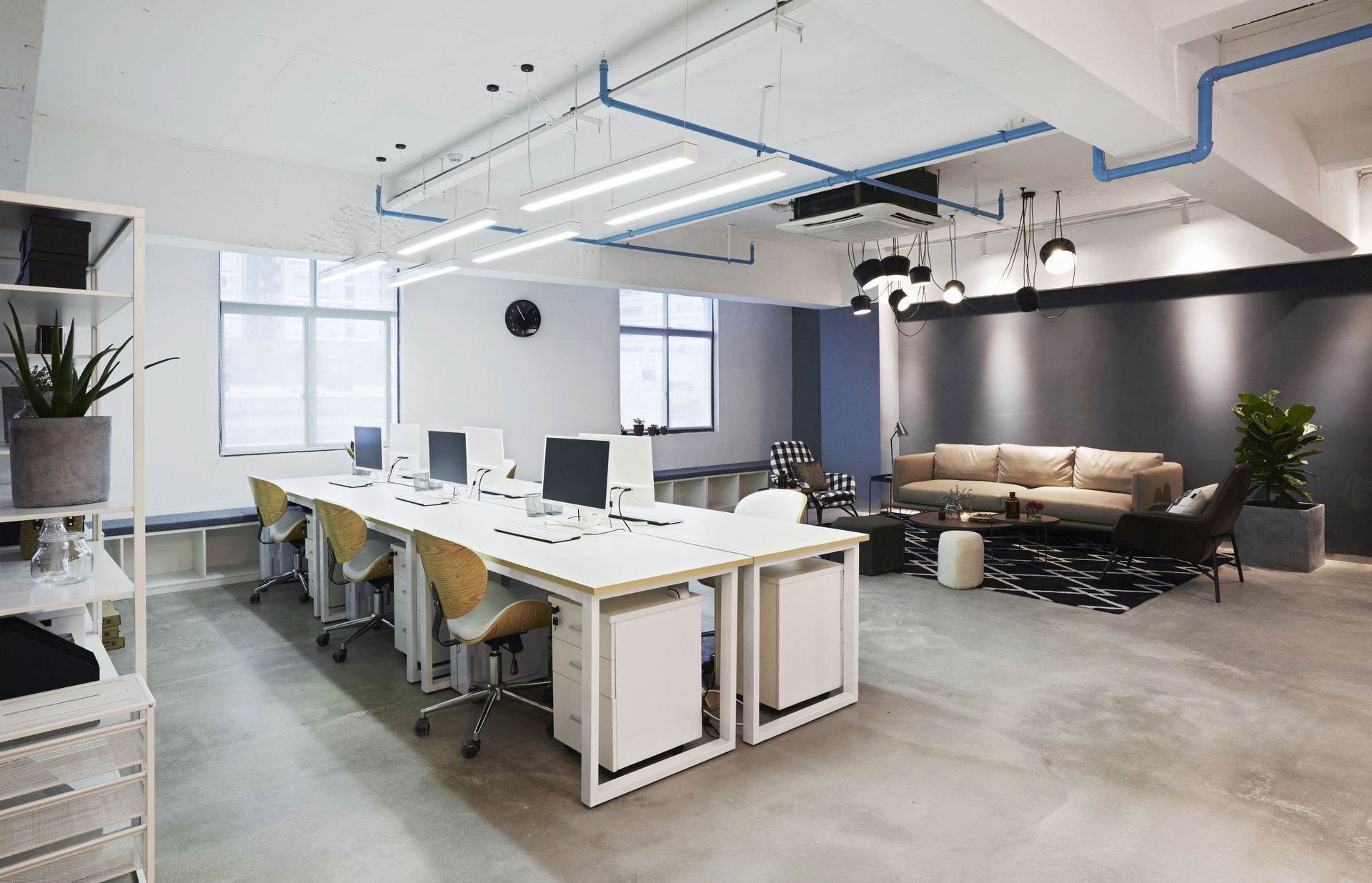
The way an office is designed directly affects how people think, feel, and perform throughout the workday. A thoughtfully arranged environment can support concentration, encourage collaboration, and create a sense of comfort that keeps employees engaged. From layout decisions to furniture choices, every detail contributes to how effectively a space functions. When businesses take the time to evaluate how their workspace supports daily operations, they often uncover opportunities to improve both efficiency and morale. A well-planned office doesn't happen by chance—it comes from aligning design decisions with the needs of the people using the space.
Working with or drawing inspiration from an office furniture store can provide valuable insight into how different layouts and furnishings impact workflow. These spaces often showcase how furniture, spacing, and organization come together in practical ways. By applying those ideas to your own workplace, you can create an environment that supports a range of tasks while still feeling cohesive. Whether you're redesigning an existing office or building from scratch, focusing on intentional design helps create a space that supports both productivity and long-term growth.
Planning and Structuring Functional Work Areas
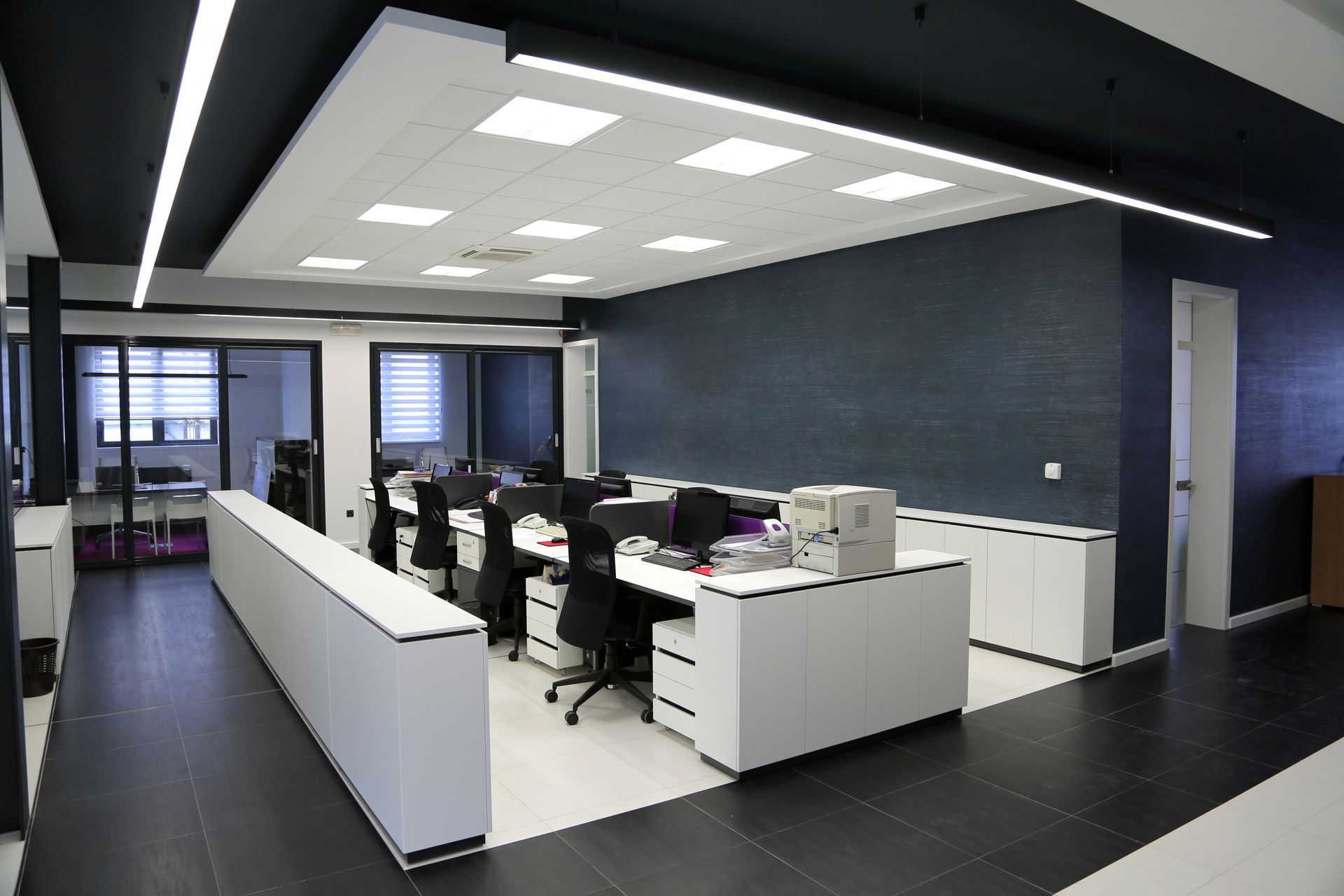
Every office serves multiple purposes, and defining those purposes clearly is the first step in creating an effective layout. Different teams and roles require different environments, so understanding how each area will be used allows for more planning. For example, some departments may need quiet, distraction-free zones, while others benefit from open areas that support conversation and teamwork. Mapping out these needs in advance helps prevent overcrowding and creates a smoother daily flow throughout the office.
Balancing individual and shared spaces is another key part of functional design. While open layouts can encourage communication, they can also introduce noise and interruptions if not thoughtfully planned. Including a mix of private workstations, meeting areas, and collaborative zones allows employees to choose the environment that best suits their tasks. This balance supports both focus and teamwork without forcing one style of work over another.
Flexibility also plays a major role in how well an office adapts over time. Spaces that can shift between uses—such as meeting rooms that double as project areas—help businesses respond to changing needs without constant redesign. Many ideas for flexible layouts can be explored through an office furniture store, where modular pieces and adaptable setups demonstrate how easily a space can evolve. Designing with flexibility in mind helps future-proof your workspace while keeping it practical for everyday use.
Supporting Ergonomics and Daily Comfort
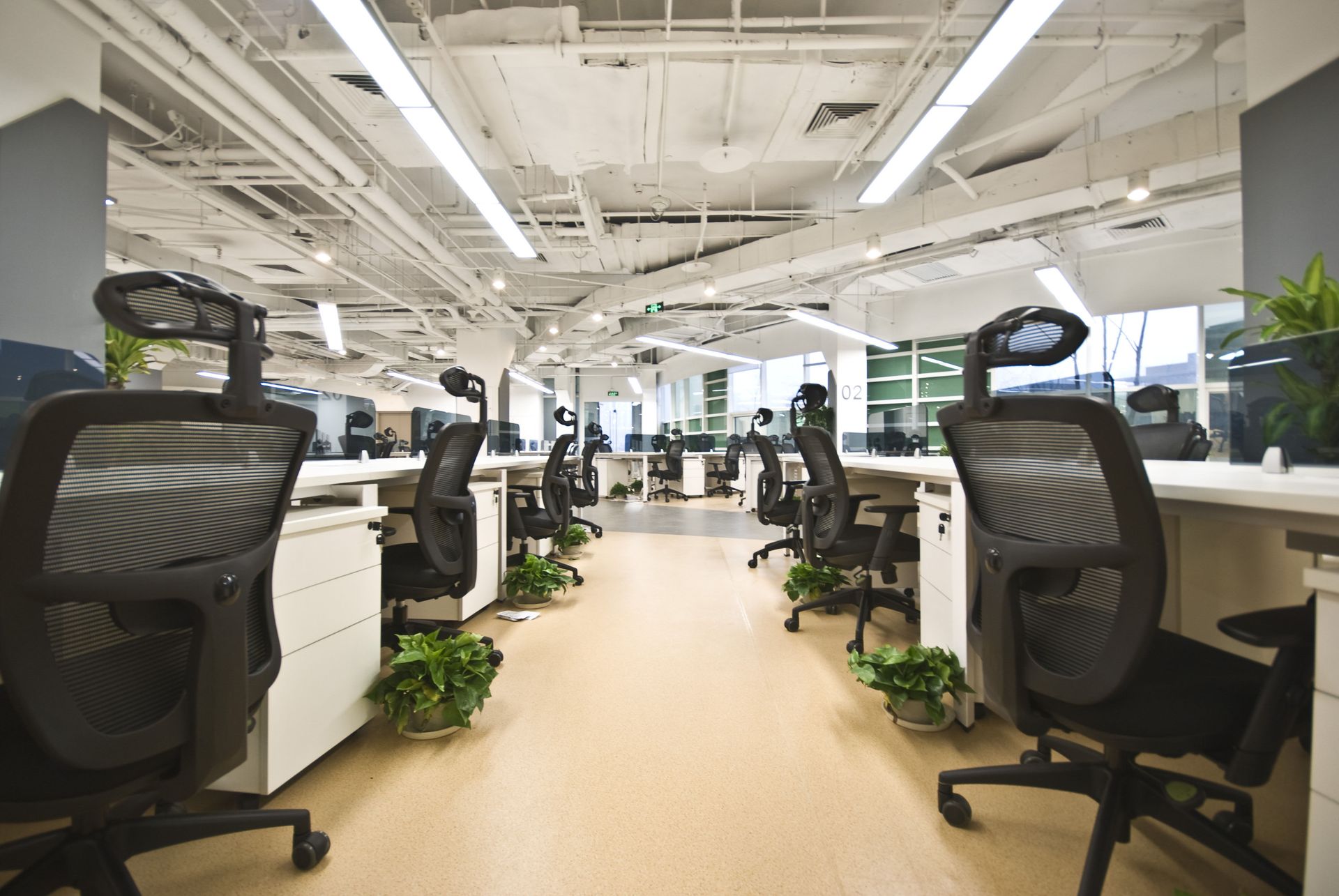
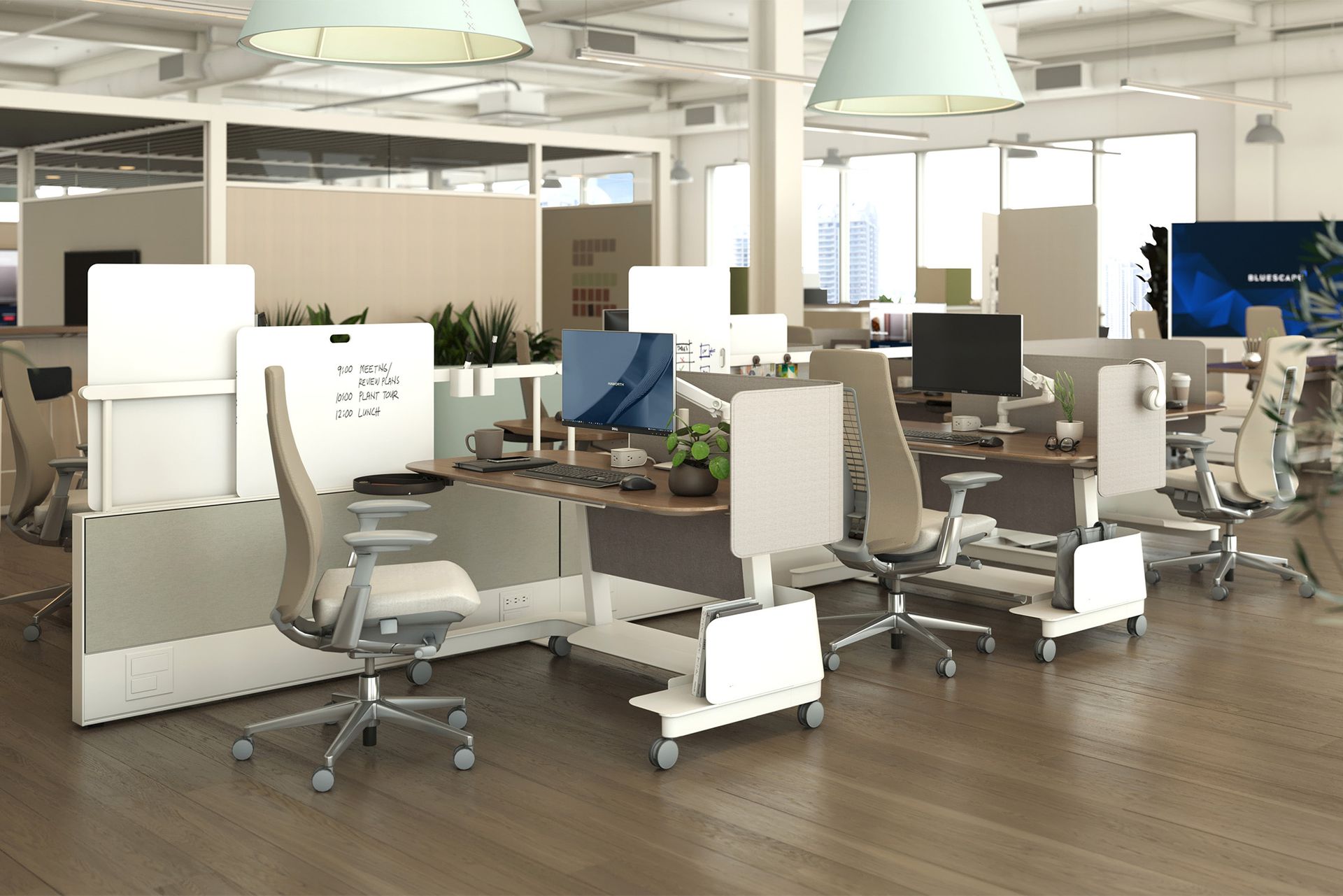
Being comfortable in the workplace goes beyond aesthetics; it directly affects how people perform throughout the day. Ergonomic furniture supports proper posture and reduces physical strain, which can lead to fewer distractions and better overall focus. Adjustable chairs, desks, and monitor stands allow employees to customize their setups, making it easier to maintain comfort during long hours of work. Investing in these elements helps create a healthier and more productive environment.
Desk setup plays a critical role in maintaining proper ergonomics. Monitor height, keyboard placement, and chair positioning all influence how the body responds to extended periods of sitting. According to the Mayo Clinic, your computer monitor should be between 20 and 40 inches away from you at your desk. This distance helps reduce eye strain and encourages a more natural viewing position, making it easier to stay comfortable throughout the workday.
Lighting also contributes significantly to comfort and productivity. Natural light is often preferred because it helps regulate energy levels and improves mood, but artificial lighting can be just as effective when used correctly. Avoiding glare, providing adjustable lighting options, and ensuring consistent brightness across work areas can make a noticeable difference. Many setups displayed in an office furniture store highlight how lighting and furniture placement work together to create a balanced and comfortable workspace.
Maximizing Natural Light and Spatial Flow
Natural light has a powerful effect on how a workspace feels and functions. Offices that make use of windows and open layouts tend to feel more inviting and energizing. Positioning desks and shared areas near windows allows employees to benefit from daylight, which can improve focus and reduce fatigue. Even in spaces with limited windows, thoughtful design choices can help distribute available light more effectively.
Color choices also play a role in enhancing brightness within the office. Lighter shades reflect natural and artificial light, helping rooms feel more open and less confined. Soft neutrals, whites, and subtle tones can create a clean and calm atmosphere that supports concentration. These choices can also make smaller spaces appear larger, improving the overall perception of the office layout.
Open space planning further enhances how light and movement flow throughout the office. Reducing unnecessary barriers allows light to travel more freely and creates a sense of continuity between different areas. While complete openness isn't always ideal, combining open layouts with designated quiet zones can offer the best of both worlds. Exploring layouts at an office furniture store can provide practical examples of how to strike this balance while maintaining visual cohesion.
Reflecting Brand Identity and Workplace Culture
An office should reflect the identity of the company it represents. Incorporating brand colors, logos, and design elements into the workspace helps create a consistent and recognizable environment. These visual cues can strengthen company culture and make employees feel more connected to the organization's goals and values. When done thoughtfully, branding within the office becomes part of the overall experience rather than just decoration.
Cultural elements can also be expressed through design choices that go beyond branding. Artwork, materials, and layout decisions can all reflect the company's personality and priorities. For example, a business that values creativity might include open collaboration spaces and bold design features, while a more traditional organization may opt for structured layouts and classic finishes. These choices help shape how employees and visitors perceive the workplace.
Displaying mission statements, achievements, or company values within the office can reinforce a sense of purpose. Visual reminders of goals and accomplishments can motivate employees and keep everyone aligned. Some office furniture store displays incorporate these elements to show how branding and functionality can work together, offering inspiration for creating a cohesive and meaningful workspace.
Planning for maintenance is equally important when considering long-term value. Choosing materials that are easy to clean and durable enough to handle daily use reduces the need for frequent replacements. Establishing a maintenance plan helps keep the office in good condition and prevents small issues from becoming larger problems. A well-maintained workspace continues to support productivity and comfort long after the initial design is complete.
Designing an effective office involves more than arranging desks and chairs—it requires a thoughtful approach that considers how people interact with their environment every day. From defining functional areas to incorporating ergonomic solutions and integrating technology, each decision contributes to the overall workspace experience. A carefully planned office can improve focus, encourage collaboration, and create a setting where employees feel comfortable and motivated. Drawing inspiration from an
office furniture store can provide practical ideas that translate into real-world improvements, helping businesses create spaces that truly support their teams.
If you're ready to upgrade your workspace, start by evaluating how your current setup supports your daily operations and where improvements can be made. Whether you're refreshing a single area or redesigning an entire office, thoughtful changes can make a noticeable difference. Explore layout options, consider new furniture solutions, and take the next step toward creating a workspace that works better for everyone involved. Reach out to Illini Supply, Inc today.